Social Well-being Survey in Asia Continues in Mongolia
Data collection for the Social Well-being Survey in Asia (SoWSA-2), which is being implemented using a harmonised methodology across nine Asian countries, is currently underway nationwide in Mongolia, covering both urban and rural areas from June to August 2026.
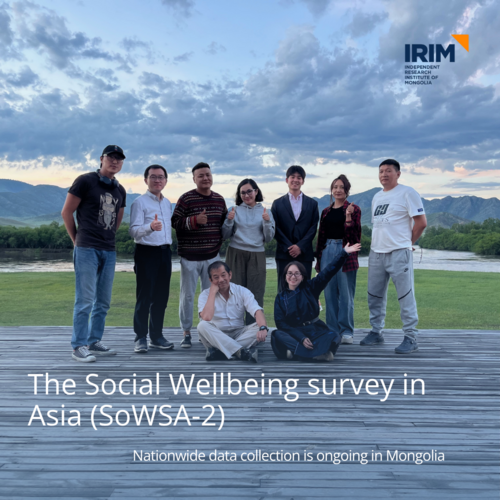
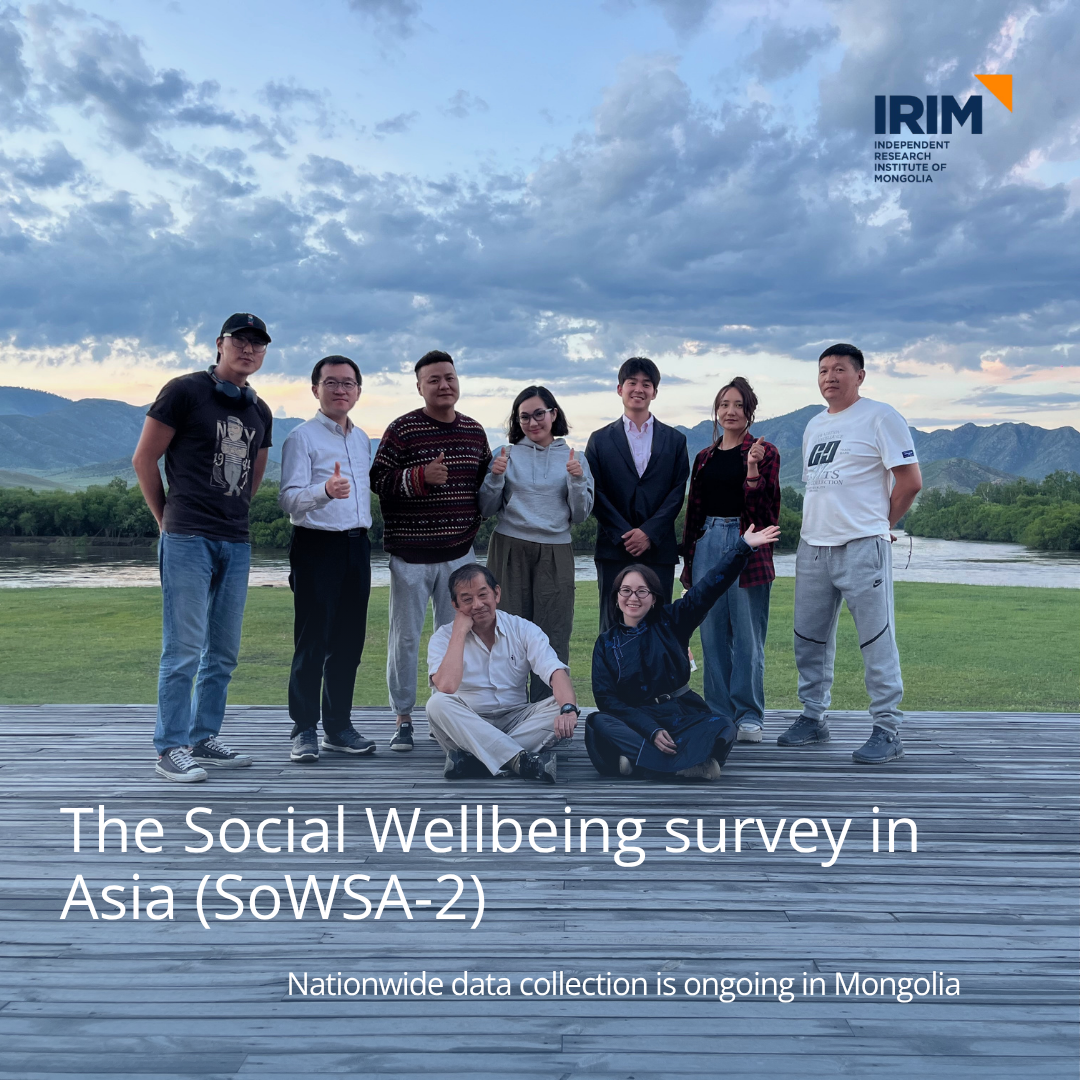
To observe the progress of field implementation in Mongolia and gain a better understanding of the sampling procedures, field operations, and quality assurance mechanisms, representatives from the methodological team of Senshu University, Japan, on behalf of the International Consortium for Social Well-being, visited Mongolia from 29 June to 2 July 2026.
During their visit, the team observed data collection activities in Ulaanbaatar and subsequently traveled to Javkhlant soum of Selenge Province to examine how the survey is being implemented in rural settings. In particular, they observed the application of rigorous sampling procedures, multiple contact protocols, and quality control measures in interviews conducted among herder and farming households, while also exchanging field experiences with the Mongolian research team.
Although the survey employs a harmonized methodology and standardized measurement tools across participating countries, it recognizes that the meaning and experience of well-being may differ across societies and social groups. One of the unique strengths of the study is its effort to deepen our understanding of how well-being is perceived and experienced within different national and community contexts.
This observation visit provided an important opportunity for international learning and knowledge exchange, highlighting how social well-being research is conducted in Mongolia under distinctive local conditions, including its vast geography, dispersed population, nomadic traditions, and seasonal mobility patterns.